Best Animation Couse in Hyderabad:complete career guide pillar
What is 3D Animation and Why is it the Best Career Choice for Students in Hyderabad in 2026? Home Blog Contact us Explore the best
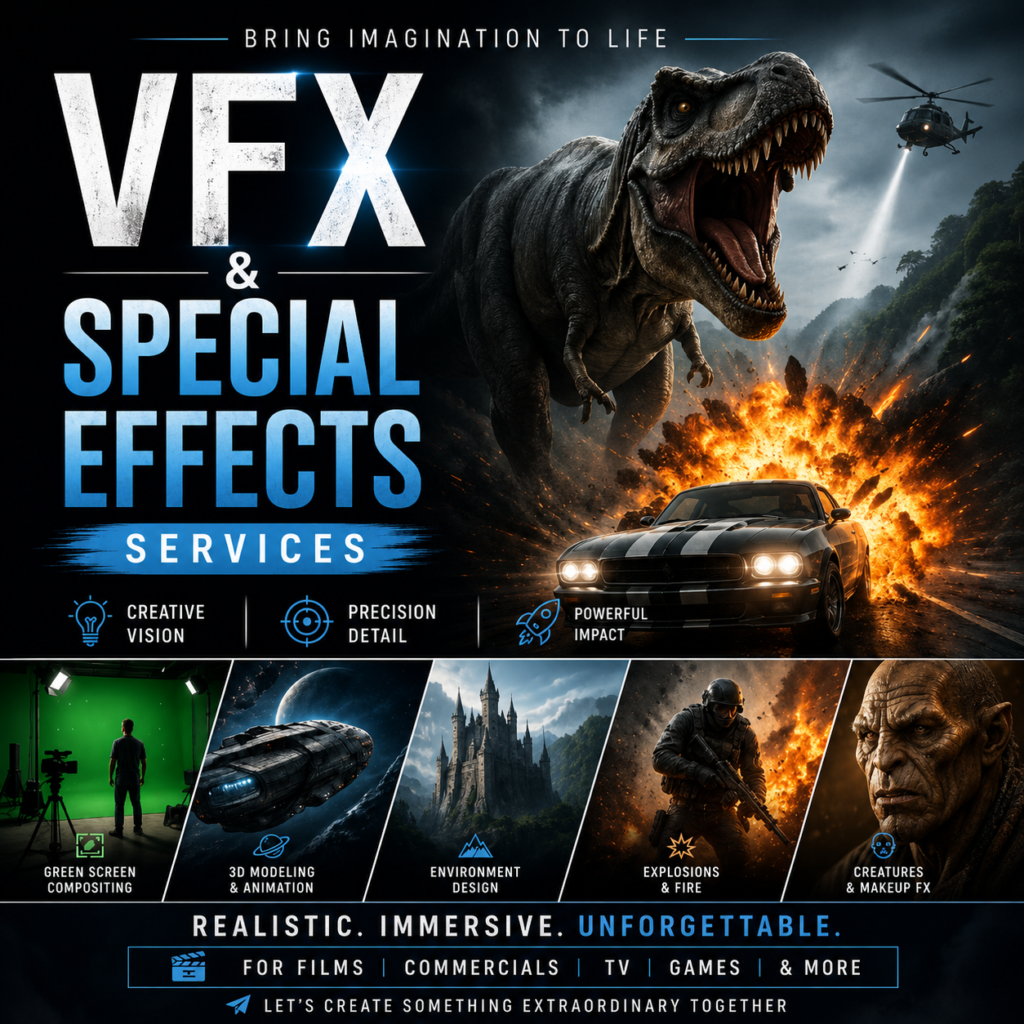
Have you ever watched a superhero movie, fantasy series, or high-end gaming cinematic and wondered how those incredible visual effects were created? The answer lies in Visual Effects (VFX), one of the fastest-growing creative industries in the world.
Today, VFX is no longer limited to Hollywood films. It plays a major role in OTT platforms, television shows, gaming, advertising, social media content, and virtual production. As the demand for high-quality digital content continues to rise, companies are actively seeking skilled VFX professionals.
If you have recently completed your intermediate education and are looking for a creative and future-focused career, enrolling in a VFX course in Kukatpally can be an excellent first step. Whether you come from Science, Commerce, or Arts, the VFX industry welcomes passionate learners who are willing to develop their technical and creative skills.
In this guide, you’ll learn everything about building a successful career in VFX, including required skills, software, career opportunities, salaries, industry trends, and how to choose the best training institute.
Visual Effects (VFX) refers to the process of creating or enhancing visual elements that cannot be captured during live-action filming. Using specialized software and creative techniques, VFX artists combine real footage with computer-generated imagery (CGI) to create realistic and visually stunning scenes.
VFX is widely used in:
For example, movies like Avatar, Avengers, and RRR relied heavily on visual effects to create immersive storytelling experiences.
As digital entertainment continues to expand, the demand for professionals who can create these experiences is growing rapidly.
The simple answer is yes.
One of the biggest advantages of pursuing a VFX course after 12th is that students from any academic stream can enter the field.
You can pursue VFX if you have completed:
Unlike traditional professions, the VFX industry focuses more on skills and portfolio quality than academic background.
If you enjoy creativity, design, storytelling, movies, gaming, or technology, you can successfully learn VFX after 12th and build a rewarding career.
Success in the VFX industry depends on a strong blend of creativity and technical expertise. Creativity is the foundation of visual effects, helping artists imagine realistic environments, design compelling visuals, and create cinematic experiences while solving creative challenges.
At the same time, technical skills are essential in modern VFX production. Students must develop expertise in compositing, 3D modeling, motion graphics, tracking, rendering, and animation. Professional training in VFX software helps build these skills effectively and prepares students for real world projects.
Problem solving is another critical skill, as every project comes with unique challenges. VFX artists often deal with rendering issues, lighting inconsistencies, CGI integration problems, and motion tracking errors, requiring both patience and technical understanding.
Strong communication skills are equally important since VFX work involves collaboration with directors, editors, animators, producers, and designers. Clear communication ensures smooth workflows and successful project outcomes.
Starting a career in VFX after 12th begins with learning the basics, including visual effects, animation, CGI, motion graphics, compositing, and green screen techniques. Watching tutorials and analyzing professional work helps build a solid foundation.
Joining a professional VFX course in Kukatpally can accelerate learning through structured training. These courses typically offer industry focused curriculum, practical projects, portfolio development, expert mentorship, and placement support, giving students hands on experience with real studio workflows.
Mastering industry software is important, but understanding production pipelines, workflow management, asset creation, and visual storytelling is what truly sets professionals apart. Practical projects help bridge the gap between theory and real world application.
Building a strong portfolio is crucial, as employers often prioritize skills over degrees. A good portfolio should showcase compositing work, motion graphics, CGI integrations, 3D models, and short VFX sequences through a well crafted demo reel.
Finally, gaining internship experience provides real industry exposure. It helps students build professional networks, gain hands on project experience, improve teamwork, and enhance employability. Many VFX training institutes also include internships as part of their programs, making it easier for students to transition into the industry.
If you want, I can convert this into a blog post, infographic, or Instagram carousel for marketing.
Adobe After Effects is one of the most widely used tools in Visual Effects, especially for motion graphics, compositing, video animation, and basic visual effects. It is often the first software students learn when starting a VFX course.
Autodesk Maya is a powerful industry tool used for 3D modeling, animation, rendering, and character creation. It plays a key role in building complex 3D visuals and animations.
Nuke is an industry standard software used by major film studios for advanced compositing, helping combine multiple visual elements into seamless final shots.
Blender is a versatile open source application that supports 3D modeling, animation, rendering, and visual effects, making it a popular choice for both beginners and professionals.
Houdini is known for its advanced simulation capabilities, including realistic smoke, fire, water, and destruction effects, widely used in high end VFX production.
Photoshop is essential for supporting VFX work through texture creation, matte painting, image editing, and concept design.
Professional VFX classes in Hyderabad typically include training on all these tools to ensure students are industry-ready.
If you want, I can convert this into a reel script, infographic, or carousel content.
One of the biggest attractions of a career in VFX is its growth potential.
Entry level professionals can secure competitive salaries depending on their portfolio, software expertise, and practical skills.
With 3to5 years of experience, artists often move into specialized roles and leadership positions.
Experienced professionals can become:
Freelancing and international projects can further increase earning potential.
Kukatpally has emerged as one of Hyderabad’s leading hubs for creative and digital media education. VFX institutes in this area focus on industry oriented training, ensuring students learn the latest production techniques and meet current industry demands.
Many training centers also provide placement support, offering career guidance and helping students connect with job opportunities after course completion. Learning from expert faculty with real industry experience further enhances the quality of education and practical exposure.
A strong emphasis is placed on portfolio development through hands on projects, enabling students to build impressive demo reels for job applications. Additionally, Kukatpally’s accessible location allows students to pursue quality VFX training without the need to relocate.
Choosing a reputed VFX institute in Kukatpally can greatly enhance your skills and improve your career prospects in the visual effects industry.
The future of VFX looks brighter than ever.
Streaming platforms continue investing heavily in original content requiring advanced visual effects.
Emerging technologies are transforming production workflows and creating new career opportunities.
Skilled VFX artists can work with:
Students completing VFX training in Hyderabad can explore both domestic and international opportunities.
our career prospects.
Before enrolling in any course, evaluate the institute carefully.
Ensure the syllabus includes:
Experienced mentors provide valuable industry insights.
Modern labs and licensed software improve learning outcomes.
Look for institutes offering placement support and career guidance.
Review student portfolios and project quality before enrolling.
A strong multimedia institute in Kukatpally should provide practical training aligned with industry requirements.
The visual effects industry is experiencing rapid global growth, driven by increasing demand from OTT platforms, gaming studios, advertising agencies, and virtual production companies. As digital content continues to rise, the need for skilled VFX professionals is stronger than ever.
This growth is clearly reflected in the success of films like Avatar: The Way of Water, RRR, and major Marvel productions, where visual effects play a crucial role in storytelling and audience engagement.
Many successful VFX professionals begin their journey right after completing their 12th. Instead of relying solely on traditional degrees, they focus on building strong portfolios and continuously upgrading their skills, which plays a key role in long-term career success in the industry.
.
Yes, absolutely Students from any stream Science, Commerce, or Art scan pursue a career in VFX after there 12th class. Most important requirements are creativity, an interest in visual storytelling, and a willingness to learn industry standard software.
Most VFX institutes accept students who have completed their 12th standard from a recognized board. No prior experience in animation or design is usually required for beginner level VFX courses.
Yes! especially if you love movies, gaming, and digital art. India’s media industry is growing fast. Many global studios outsource their work here. This means there are many jobs for trained artists, VFX industry in India is growing rapidly due to increasing demand from films, OTT platforms, television, gaming, advertising, and digital content creation. Skilled VFX artists are highly in demand by studios and production houses.
Some of the important skills that successful career in VFX include:
Popular VFX software used by professionals includes:
Students learn these tools during professional VFX training programs.
What is 3D Animation and Why is it the Best Career Choice for Students in Hyderabad in 2026? Home Blog Contact us Explore the best
Maya vs Blender for Beginners: What Animation Students Should Know Home Blog Contact us Hyderabad has quietly become one of the most exciting cities in
What is 3D Animation and Why is it the Best Career Choice for Students in Hyderabad in 2026? Home Blog Contact us The creative industry
Camera Tracking Course in Hyderabad: Learn Mocha, PFTrack and Matchmove Basics for a Successful VFX Career Home Blog Contact us Visual effects have transformed modern
What is 3D Animation and Why is it the Best Career Choice for Students in Hyderabad in 2026? Home Blog Contact us The demand for
YouTube Video Editing Course in Hyderabad: Editing, Thumbnails and Channel Growth Home Blog Contact us Hyderabad has quietly become one of the most exciting cities
UI UX Course in Hyderabad: Skills, Tools, Portfolio and Career Scope Home Blog Contact us Today in digital world, every successful website, mobile app, and